
The Japanese Money System
“A penny saved is a penny earned.” - Benjamin Franklin
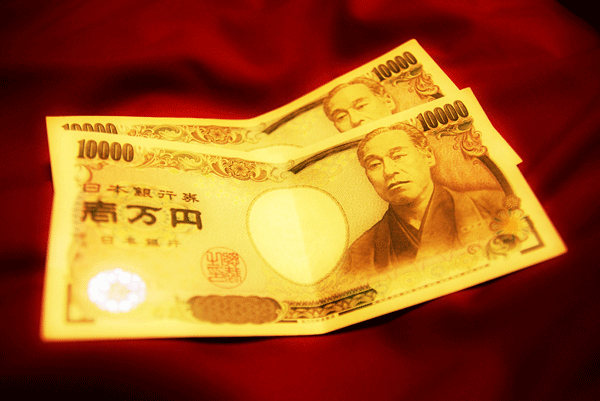
If you can ask how much something is, you definitely need to know what the answer is. First, we’ll have to take a look at the money system and how it differs from other money systems. Apologies for those outside the United States – this’ll still be a useful page for you, but it’ll make the most sense for people who are using the dollar (or something somewhat similar to it, which luckily is a lot of countries).
At first I thought the yen was a bit funny (the yen is the Japanese money system). One yen is almost like one cent. With cents, though, when you hit 100 of them it becomes one dollar. In Yen, you just keep counting. 100 yen. 1,000 yen. 10,000 yen… etc. It keeps going up, and never changes. In a lot of ways, this is a lot simpler than the dollar, though you do have to deal in bigger numbers. So with yen, the number given is the number of yen – no weird conversions anywhere. Let’s quickly break down the bills and coins you get.
1 yen coin: This is a lot like one penny, in a way. I hate carrying these around.
5 yen coin: Feels almost as worthless as a 1 yen coin.
10 yen coin: Like the dime, almost.
50 yen coin: Skips 25 (The US is big on quarters).
100 yen coin: You’ll notice that we haven’t hit any paper bills yet. Still on coins!
500 yen coin: This coin is pretty awesome. Generally, the worth is around $5 (though of course that changes). Still no bills yet!
1,000 yen bill: Finally a paper bill. This is the first bill you get in Japanese.
2,000 yen bill: This is a lot like the $20 bill.
5,000 yen bill: Getting bigger.
10,000 yen bill: This is the biggest bill you’ll get.
Now, none of this is useful until we can talk about yen in Japanese. Actually, in Japanese, you don’t say “yen” because (as you know), there is no “ye” sound. Instead, “yen” is えん (円). Just add えん onto a number, and voilà! You have yourself a price. Let’s look at some examples.
1,000えん = せんえん
1,500えん = せんごひゃくえん
5えん = ごえん
10,000えん = いちまんえん
All I’m doing is taking the numbers, which you just learned about and already know, and adding えん (“yen” in English) to them. So, let’s take this and add it to the いくら question to round everything out nicely.
これ は いくら ですか?
How much is this?
それは 100えん です。
That is 100 yen. (make sure you pronounce 100えん as ひゃくえん)
しゃしん は いくら ですか?
How much is the picture?
5000えん(ごせんえん)です。
It is 5000 yen.
Now let’s see how you do. First ask…
How much is this?
これ は いくら ですか?
Now, for the answer, you’ll want to say…
That is 550 yen.
それ は 550えん(ごひゃくごじゅうえん) です。
There you have it. You know how to count, you know how to ask how much something is, and you know how to answer the “how much” question (or understand the answer). Mostly, though, you’ve learned a ton about numbers. There’s plenty more to come (with numbers), though. This, unfortunately, is just the start of things when it comes to numbers. Sometime soon, you’ll learn about counters (insert scary music). That’s when numbers get complicated and painful, though we’ll do our best to avoid all the painful parts the best we can.
Still, though, what you’ve done here is really good. It’ll help you to learn counters later on, and it also gives you something pretty useful to put in your knowledge bank. As you continue to learn kanji, too, you’ll see a lot of these numbers and get to reinforce what you already know. Trust me, these will come up quite a bit as we go forward, so you’ll get all the practice you need.